On June 7 President Cyril Ramaphosa delivered a national address setting out the government’s position on migration and illegal immigration. He signalled a shift in the state’s approach to enforcement of immigration and labour laws in the workplace.
The president indicated that a problem lies with employers who deliberately hire undocumented workers to pay them less, work them harder and avoid their legal obligations. These employers are not just breaking the law; they are also making it harder for honest businesses to compete.
Tackling this problem matters on several levels. It matters economically because exploitation distorts the labour market and harms workers across the board, and it matters socially because it entrenches inequality and strips people of their dignity.
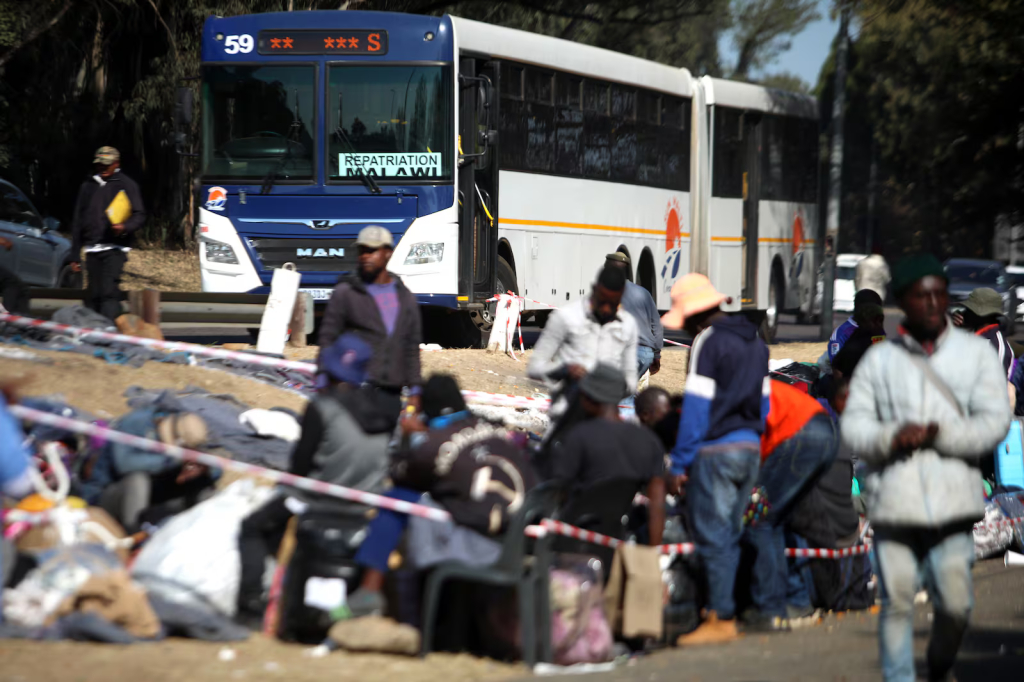
The weeks leading up to June 30 were a tense period, with groups setting an unofficial deadline for undocumented foreign nationals to leave — a deadline with no basis in law. Reports indicated violence and that people were being targeted based on appearance or language, regardless of legal status. About 178,000 people reportedly fled back to Zimbabwe, Malawi and Nigeria.
International repercussions have been immediate, generating diplomatic friction and drawing criticism from the UN and AU. Domestically, industries such as sugar, textiles and transport are experiencing a shortage of employees. In the interim, government inspectors have instituted a nationwide compliance crackdown, highlighting widespread employer noncompliance with labour laws.
Immigration Act
A foreign national holding a valid work permit, critical skills visa or other authorising permit is entitled to work in South Africa. However, an undocumented worker is present without a valid permit.
In terms of the Immigration Act, 2002, the main employer obligations are:
- Section 38(1): No person may employ an illegal foreigner or employ a foreigner outside the scope of their immigration status.
- Section 38(2): Employers must take active steps to verify immigration status; a passive approach is insufficient.
- Section 38(3): An illegal foreigner found on business premises is presumed to be employed by the person in control.
- Section 49(3): Knowingly employing an illegal foreigner constitutes a criminal offence.
The National Labour Migration Policy, gazetted in May 2025, is South Africa’s first comprehensive policy framework. As a white paper it does not carry the force of law yet but signals the start of the legislative process. Areas of intervention include potential caps on foreign workers in technical and lower-skilled positions, annual updates to the critical skills list, prioritising work permits in these areas, strengthened oversight of private employment agencies to combat fraud, and joint labour and immigration inspections with steep penalties for noncompliance.
Gazetted in May, the Employment Services Amendment Bill seeks to modernise labour market regulation. Relevant provisions include:
- Section 12A: Employers may hire foreign nationals only with valid work authorisation. They must ensure no suitable South African is available, prepare a skills transfer plan (foreign employees must train a South African replacement), and retain copies of all work authorisation documents.
- Section 12B: The minister may set maximum quotas for foreign nationals within specific sectors.
- Section 12D: A foreign national employed unlawfully may enforce claims for minimum wage and basic conditions of employment against their employer.
- Section 12E: Employers are prohibited from permitting foreign nationals to perform work that falls outside the scope of, or is contrary to the conditions of, their visa or permit.
On August 11 the cabinet approved the General Mining Laws Amendment Bill, addressing illicit mining by illegal miners. Illegal prospecting and assistance could lead to a fine not exceeding R100m and imprisonment for up to 30 years.
Ramaphosa’s June address showed that the government intends to enforce laws with greater rigour. Employers should note that ignorance of an employee’s immigration status is no defence, undocumented workers have legal recourse and noncompliance is penalised by fines, reputational damage and possible imprisonment.
We recommend conducting an internal audit of all employees’ documentation and immigration status, reviewing employment contracts and working conditions to ensure compliance with minimum wages and Basic Conditions of Employment Act protections, and training human resources and management personnel on their obligations.
Read the Business Day feature here.