
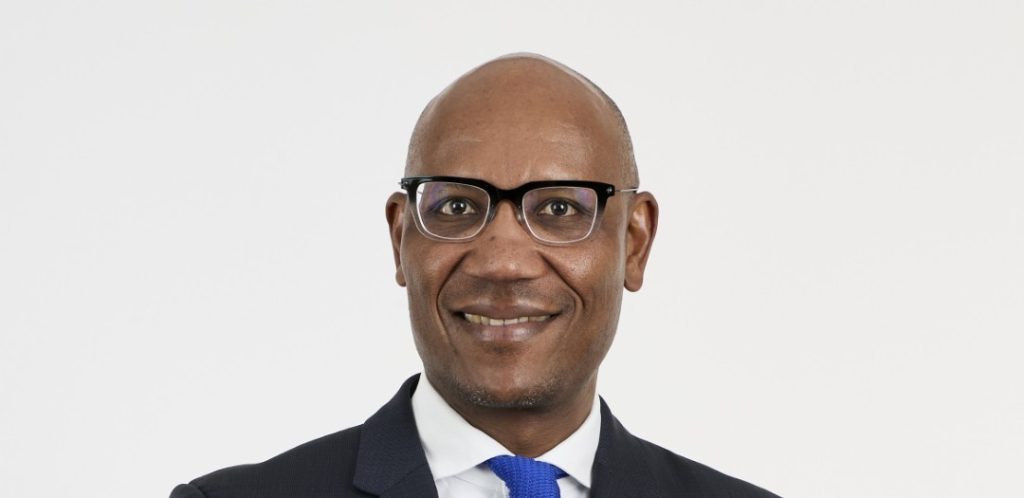
This year marks a major milestone for Mkhabela Huntley Attorneys — 25 years of practice. Founding partner Leslie Mkhabela reflects on the firm’s beginnings, its defining moments, and the evolution of South Africa’s legal landscape.
Q: Congratulations on 25 years. When you think back to the year 2000, what was your original vision when you founded the firm?
Leslie Mkhabela:
Thank you. When we started talking about the idea, I was 28 and had only been admitted as an attorney for about four and a half years. Looking back now, I realise how bold that was — but when you’re young, you don’t see the challenges. It was the exuberance of youth that carried us through.
At the time, there were very few black commercial law firms. Most black firms were small, community-based practices — handling criminal cases, divorces and the like. But the country was changing, and we saw a gap: an opportunity for a black-owned firm to focus on corporate and commercial law while serving large companies and state entities.
We already had exposure to big-firm work, so the shift was more about changing perceptions and mindsets. We set out to prove that black lawyers could build a top-tier commercial practice — and within a few years, we were flying.
Q: What were some of the biggest challenges you faced in those early years?
LM: The challenges were real — and many still exist today. The biggest one was market acceptance. There was reluctance among corporates to brief black professionals in high-value work. They’d hire black companies for catering or security, but not for professional services like law or accounting.
Fortunately, state-owned enterprises were mandated to transform, so we built relationships there. Much of our early growth came from that public-sector support, for which we were deeply appreciative.
Other challenges included managing growth — how to build scale when work from legal panels is unpredictable — and attracting talent. Young black lawyers at the time naturally gravitated toward large, established (mostly white) firms. We had to convince them that this was a place to grow.
Then there was also the issue of cash flow. Public-sector payments could take time, and we did a lot of work on risk for clients who couldn’t always pay. But one thing I’m proud of is that, from day one to today, our staff have always been paid on time — without fail. It sounds small, but sustained financial stability is an important factor for growth in this profession.
Q: Was there a particular case or moment that defined the firm’s reputation?
LM: There have been many. On the commercial side, we were involved in the Telkom listing when the company went public — that was huge, both for the firm and the country. We also advised South African Airways on its first major Airbus fleet acquisition, working alongside a London firm, and we were part of the Transnet unbundling process.
We’ve also done significant private-sector transactions — for example, establishing United Manganese of Kalahari, now one of the country’s largest manganese producers.
On the litigation side, we’ve handled cases that helped shape legal precedent — from important commercial cases involving large corporations and defamation suits involving public figures to the “Dubul’ibhunu” hate speech case. That one, involving Julius Malema whilst ANCYL president, raised complex constitutional questions about heritage, free speech, and national unity. It was ultimately resolved through mediation, and I think it taught the country something important about reconciliation.
Q: How has South Africa’s legal landscape changed over the past 25 years?
LM: It’s changed dramatically. When I started, most courts were still run in Afrikaans, and you seldom saw a black magistrate or judge. Today, the judiciary is far more representative. You also see more black advocates, women lawyers, and black-owned firms structured like ours.
That said, transformation is incomplete. There’s still a perception — unspoken but real — that “if it’s good, it must be white.” But that’s slowly shifting. We now handle major, complex matters for both public and private clients, proving that quality has nothing to do with race.
Q: How have you kept the firm’s founding values alive as it has grown?
LM: We’ve stayed true to the values we started with: ethical practice, excellence, and professionalism. Everyone here subscribes to that. Those who don’t, move on.
We refuse to compromise on integrity, no matter what. You’ll hear of firms getting work because of irregular procurement practices. That’s not us. We insist on being chosen for our skill, not for who we know.
Q: How do you approach mentoring young lawyers?
LM: It’s something I’m very passionate about. We don’t hire based on background or which university someone went to. We look at promise — academic results, attitude, and resilience.
We’ve taken in candidates who come from modest families, who might never have got a chance at a big firm. We make sure everyone here gets real exposure — not just filing or admin. Our candidates sit in on consultations, prepare first drafts of opinions, attend court and learn by doing.
We rotate them through different practice areas (administrative law, competition law, employment law and civil litigation) so that by the end of their articles, they’ve experienced a range of legal work. We also encourage continuous training and development. Many of our juniors study further for master’s degrees.
Q: The legal profession is often criticised as elitist and slow to transform. What still needs to change?
LM: Briefing patterns. Private-sector clients still prefer large, white-led firms for high-value work. Until that changes, black firms will always be limited in scale.
Regulation also needs clarity. The old “referral system” between attorneys and advocates is outdated. We should be moving toward a more integrated model — like in the US — where you can have legal practitioners, including trial lawyers, under the same roof. It’s about modernising the profession while keeping standards high.
Q: How do you define success today, compared to when you were 28?
LM: Back then, success meant building something sustainable and breaking barriers. Today, success is legacy — knowing we changed the narrative.
We’ve shown young lawyers that you don’t have to be white or part of an old firm to do major deals or set legal precedents. That, for me, is success.
Of course, there are things we haven’t achieved. We haven’t reached the scale we envisioned, but that’s largely due to market constraints, not lack of effort.
Q: And what do the next 25 years look like for Mkhabela Huntley Attorneys?
LM: Consolidation and specialisation. We’ve learned a lot over 25 years — now it’s about refining and deepening our expertise and responding to new market opportunities.
We also have to think about succession. I want this firm to exist long after I’m gone — just like other firms which have existed for hundreds of years outlived their founders.
And yes, we’re watching AI closely. It’s a tool, not a threat. AI can’t replace emotional intelligence or judgement — the essence of what we do as lawyers.
So the future is about building a sustainable, values-driven legacy that continues beyond us.
Q: Finally — if you could speak to your 28-year-old self, what would you say?
LM: I’d say, “Trust yourself — but get good partners.” There’s no such thing as a self-made man. Surround yourself with people who share your vision, and be guided by mentors. Success will follow.